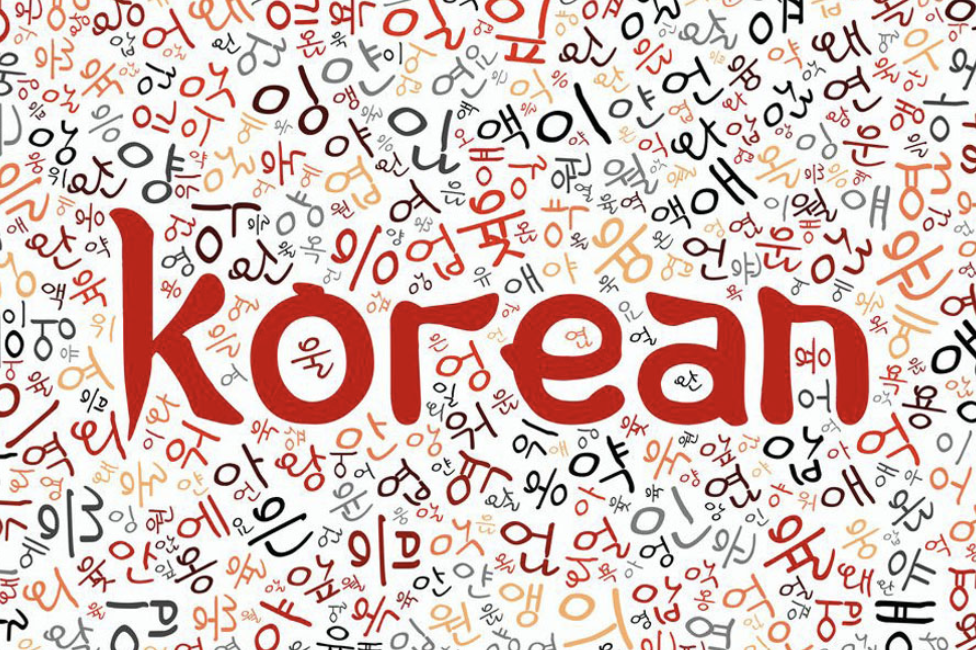
The Korean Alphabet (Hangul): A Beginner’s Guide to Reading Korean
Korean is quickly becoming one of the most popular languages to learn worldwide, thanks to K-pop, Korean dramas, global companies, and the rich cultural heritage of Korea. If you’ve ever wanted to read Korean, you’ve probably noticed the unique script called Hangul. While it may look complex at first, Hangul is surprisingly easy to learn and was intentionally designed to be logical and accessible. In this guide, we’ll explore the Korean alphabet, its history, vowels and consonants, and show you how to read Korean syllables step by step. By the end, you’ll have a solid foundation to start your Korean language journey.
What Is the Korean Alphabet (Hangul)?
Hangul is the official writing system of the Korean language. Known for its logical design and ease of learning, Hangul is often praised as one of the most accessible alphabets in the world. In fact, many learners find they can begin reading Korean words after just a few hours of study.
Unlike alphabets that evolved organically over centuries, Hangul was intentionally created to be simple, systematic, and inclusive—making Korean far more approachable than many beginners expect.
A Brief History of Hangul
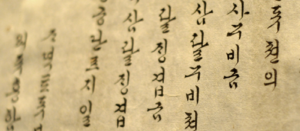
Before Hangul existed, Korean was written using Classical Chinese characters. While effective for scholars, this system was difficult for most people to learn.
In the 15th century, King Sejong the Great introduced Hangul with a revolutionary goal: to give everyone access to literacy. The alphabet was designed to reflect how sounds are physically produced by the mouth and tongue, making it both intuitive and efficient.
Today, Hangul is celebrated not only as a cultural treasure, but also as a linguistic achievement admired by scholars worldwide.
Korean Vowels Explained
Hangul is built from vowels and consonants that combine into syllable blocks. Let’s start with vowels.
Simple Vowels
| Korean | Sound | Korean | Sound | Korean | Sound | Korean | Sound | Korean | Sound |
|---|---|---|---|---|---|---|---|---|---|
| ㅏ | a | ㅑ | ya | ㅓ | eo | ㅕ | yeo | ㅗ | o |
| ㅛ | yo | ㅜ | u | ㅠ | yu | ㅡ | eu | ㅣ | i |
A helpful pattern to notice is that vowels with an extra line often add a y sound. For example, ㅏ (a) becomes ㅑ (ya).
Complex Vowels
| Korean | Sound | Korean | Sound | Korean | Sound | Korean | Sound | Korean | Sound |
| ㅐ | ae | ㅒ | yae | ㅔ | e | ㅖ | ye | ㅘ | wa |
| ㅙ | wae | ㅚ | oe | ㅝ | wo | ㅞ | we | ㅟ | wi |
| ㅢ | ui |
Once you recognize the individual vowel shapes, these combinations become much easier to remember.
Korean Consonants Explained
Hangul includes simple consonants and tense (or double) consonants.
Simple Consonants
| Korean | Sound | Korean | Sound | Korean | Sound | Korean | Sound | Korean | Sound |
| ㄱ | g/k | ㄴ | n | ㄷ | d/t | ㄹ | r/l | ㅁ | m |
| ㅂ | b/p | ㅅ | s/t | ㅇ | ng/- | ㅈ | j | ㅊ | ch |
| ㅋ | k | ㅌ | t | ㅍ | p | ㅎ | h |
Tense Consonants
| Korean | Sound | Korean | Sound | Korean | Sound | Korean | Sound | Korean | Sound |
| ㄲ | kk | ㄸ | tt | ㅃ | pp | ㅉ | jj | ㅆ | ss |
One of Hangul’s unique features is that many consonants visually represent how the mouth forms the sound. For example, ㅁ (m) reflects the closed lips used when pronouncing it.
How to Read Korean Syllable Blocks
Unlike English, Korean letters are not written in a straight line. Instead, they are grouped into square-shaped syllable blocks.
A syllable may follow these common patterns:
- Consonant + Vowel (CV)
- Consonant + Vowel + Final Consonant (CVF)
For example, the word Hangul is written as 한글:
- 한: ㅎ (h) + ㅏ (a) + ㄴ (n)
- 글: ㄱ (g) + ㅡ (eu) + ㄹ (l)
Once learners understand this system, reading Korean becomes a process of recognizing patterns rather than memorizing long strings of letters.
Is the Korean Alphabet Hard to Learn?
Despite its unfamiliar appearance, Hangul is widely considered one of the easiest writing systems to learn. Many beginners are surprised by how quickly they can sound out words, even if they don’t yet understand their meaning.
While Korean grammar and vocabulary take time to master, learning to read Hangul is often the fastest and most rewarding first step.
How to Start Learning Korean
If you’re curious about Korean—whether through music, pop culture, travel, or heritage connections—learning Hangul opens the door to the language.
Once you can read Korean, pronunciation improves, vocabulary sticks more easily, and confidence grows faster. With one-to-one online lessons led by native-level instructors, learners can build a strong foundation at their own pace while connecting language with culture.
Korean is a fascinating language with an equally fascinating alphabet. If you’re ready to challenge yourself, you might be surprised how far you can go—sometimes in just a single day.